
The insurance layer of your wealth, read properly.
For executives, wealthy arrivals, and the family offices who look after them: we read the health, life, pension, and valuables architecture of a Swiss household — and only that — in coordination with your bank, tax counsel, and lawyers.
Private clients · Since 2017 · FINMA F01067278
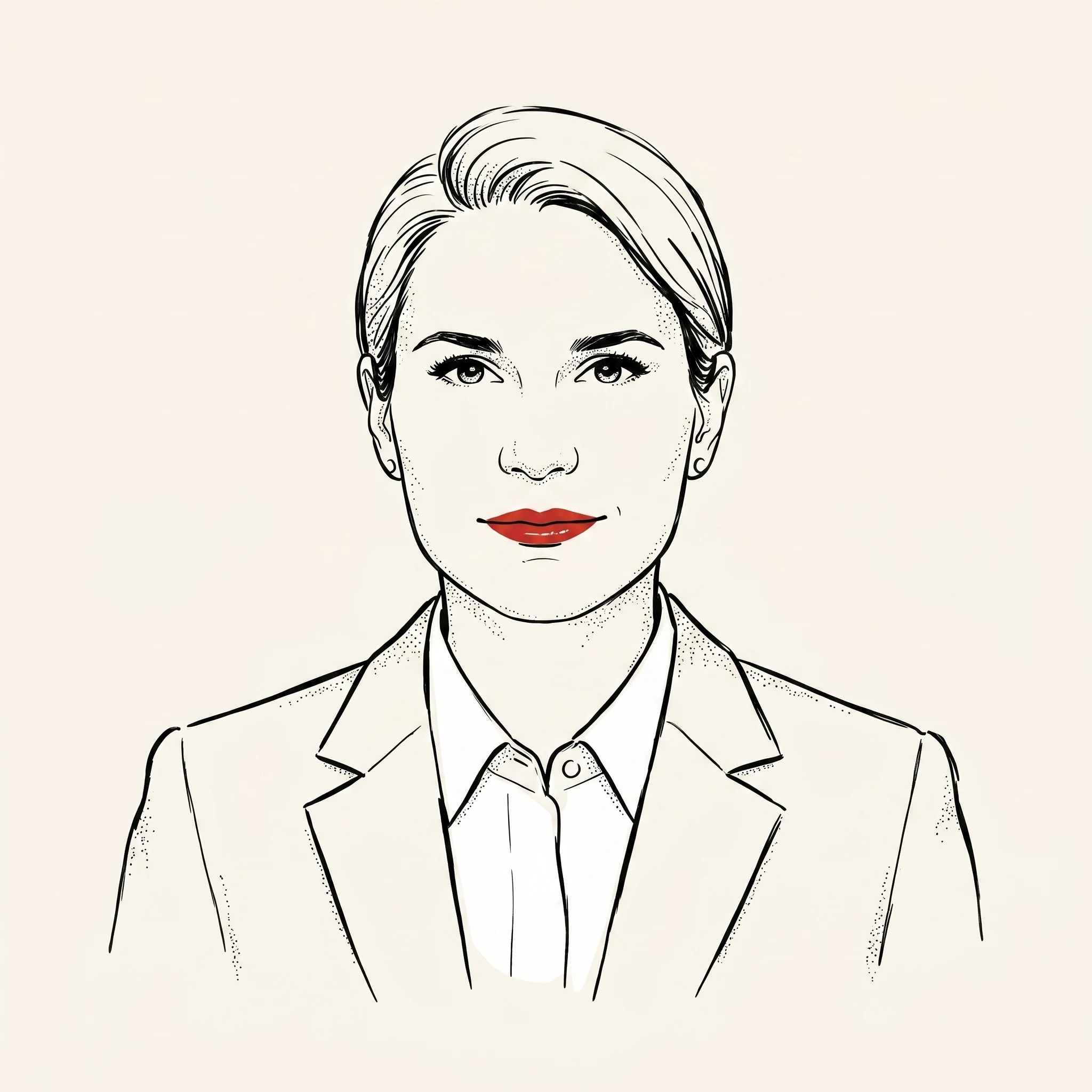
Led by Nicole Bohne, life insurance advisor — life, 3rd pillar, tax optimization · FINMA F01536402 · Family-office relationships: Benjamin Amos Wagner, founder

What we are — and are not.
Generalists claim everything. Specialists draw their box. Ours is the insurance layer of a household's wealth — nothing beside it.
What we do
Insurance architecture, end to end.
- Executive health — KVG-exemption checks, IPMI vs Swiss cover, worldwide private hospital insurance
- Life insurance as estate liquidity — sized and structured with your legal counsel (life insurance in Switzerland)
- Insurance-wrapped 3a/3b — inside the tax picture, only where the wrapper earns its place
- Valuables — itemised cover for art, jewelry, and collections above household sub-limits
What we don't
Your other advisors keep their chairs.
- No asset management — your bank and wealth managers stay yours
- No tax filing — we model insurance inside the picture your tax counsel draws
- No legal work — beneficiary and estate structures are built with your lawyers, not instead of them
- No product pressure — a meaningful share of our reviews end with "keep what you have"
Four places the architecture usually needs us.
Executive health — in or out of KVG
Certain categories can stay outside Swiss basic insurance with a cantonal exemption under Art. 2 KVV — applied for within three months, with proof of equivalent international cover. Misjudged, the household pays twice or loses cover it should have kept. For international and IPMI plans we work with sip.ch, who specialise in the segment where Swiss-domestic advisors typically don't. Where Swiss cover wins, we build worldwide private hospital insurance the ordinary market rarely reads closely.
Life insurance as estate liquidity
A death benefit pays out quickly and outside the slower estate process — liquidity exactly when assets are hardest to move: wealth concentrated in property or a business, heirs with obligations in several countries, a survivor needing immediate income. Beneficiary designations and the interaction with marital-property and inheritance law are where the real decisions sit; we build the insurance side with your counsel.
3a and 3b inside the tax picture
Our own pension pages say it plainly: banking 3a is usually the cleaner answer. For some wealthy households the insurance wrapper earns its place — a real protection gap, enforced structure, or pillar 3b's uncapped, flexible layer beside a maxed 3a. Nicole runs this assessment against the tax picture your advisors maintain, and the honest recommendation comes before any product.
Valuables above the sub-limits
Standard household policies cap valuables at sub-limits that are fine for a typical flat and wrong for a collection. Itemised cover insures named pieces at agreed values — appraisals, documentation, and the annual review as pieces move or markets do. We read the sub-limits against what actually hangs on the walls and sits in the safe.
Built to survive your diligence.
Family offices come to us two ways: referring one household for a discreet second read, or offering the review as a standing benefit across their client families. Either way, the verification takes five minutes.
One senior contact. Full disclosure. No surprises.
The household's details stay with the household — the family office sees logistics, never content.01
02
Payment, disclosed
Commission from insurers on issued contracts, disclosed under Art. 45 VAG — stated before engagement, itemised on request. The review itself costs the household nothing.
03
The client-benefit route
Reviews as a structured benefit across your families — dedicated booking, three languages, a written Private Client Report per household. The mechanics sit on the programs page.
Every engagement ends in writing: the Private Client Report — what to set up, what to keep, what to skip, and the reasoning — delivered within 3 working days of the review.
The four questions that open most engagements.
1
Does my Swiss cover travel?
Basic insurance pays for emergencies abroad — capped at twice what the equivalent treatment costs in your Swiss canton, and only for emergencies. Planned treatment abroad needs the worldwide tiers of semi-private or private hospital cover, and for households whose life is genuinely multi-country, an international (IPMI) plan can beat any Swiss construction. The tiers and their real payment behaviour sit in our Hospital Insurance Cost Index.
2
Why does the entry age matter so much?
Supplementary cover is underwritten once, at entry (Art. 4 VVG), and the age curve at signup decides the lifetime cost — not the first premium. Conditions that arise after signing become potential exclusions on any later switch, which is why the architecture is built early and changed rarely. For wealthy households the stakes are simply larger: the products are bigger, and so is the cost of a door that closes.
3
Is there a ceiling to pillar 3b?
No — 3b has no contribution cap and no lock-up: it is the flexible private layer beside a maxed 3a, taking any form from insurance contracts to structured savings. It also has no federal tax deduction, which is exactly why it belongs inside the picture your tax counsel maintains rather than beside it. The tied-vs-flexible mechanics sit on our 3a-vs-3b page.
4
Can the health questions be avoided?
Individually, no — and answering them incompletely can void the contract when it matters most (Art. 6 VVG). Structurally, sometimes: collective agreements can offer supplementary cover with simplified or, in defined cases, waived health questions for eligible groups — the route family offices use for their client families, described on the programs page. We tell you which of the two worlds your situation lives in before anything is applied for.
FAQ.
What do you do for private clients — and what not?
Can a wealthy arrival stay outside Swiss basic health insurance?
How does life insurance serve estate planning in Switzerland?
When does an insurance-wrapped 3a/3b fit a wealthy household?
How is high-value contents cover (art, jewelry, collections) handled?
How do family offices work with you?
Who advises wealthy expats and executives on insurance in Switzerland — in English?
Do Swiss family offices handle insurance for their clients themselves?
What insurance does a high-net-worth household in Switzerland actually need?
Does Swiss health insurance cover treatment abroad for private patients?
How are you paid?
Quiet work, done properly, in writing.
Tell us the shape of the household — or have your family office make the introduction. The first conversation costs nothing and commits to less.
Start the conversation