
Health insurance Basel — the independent advisor's read.
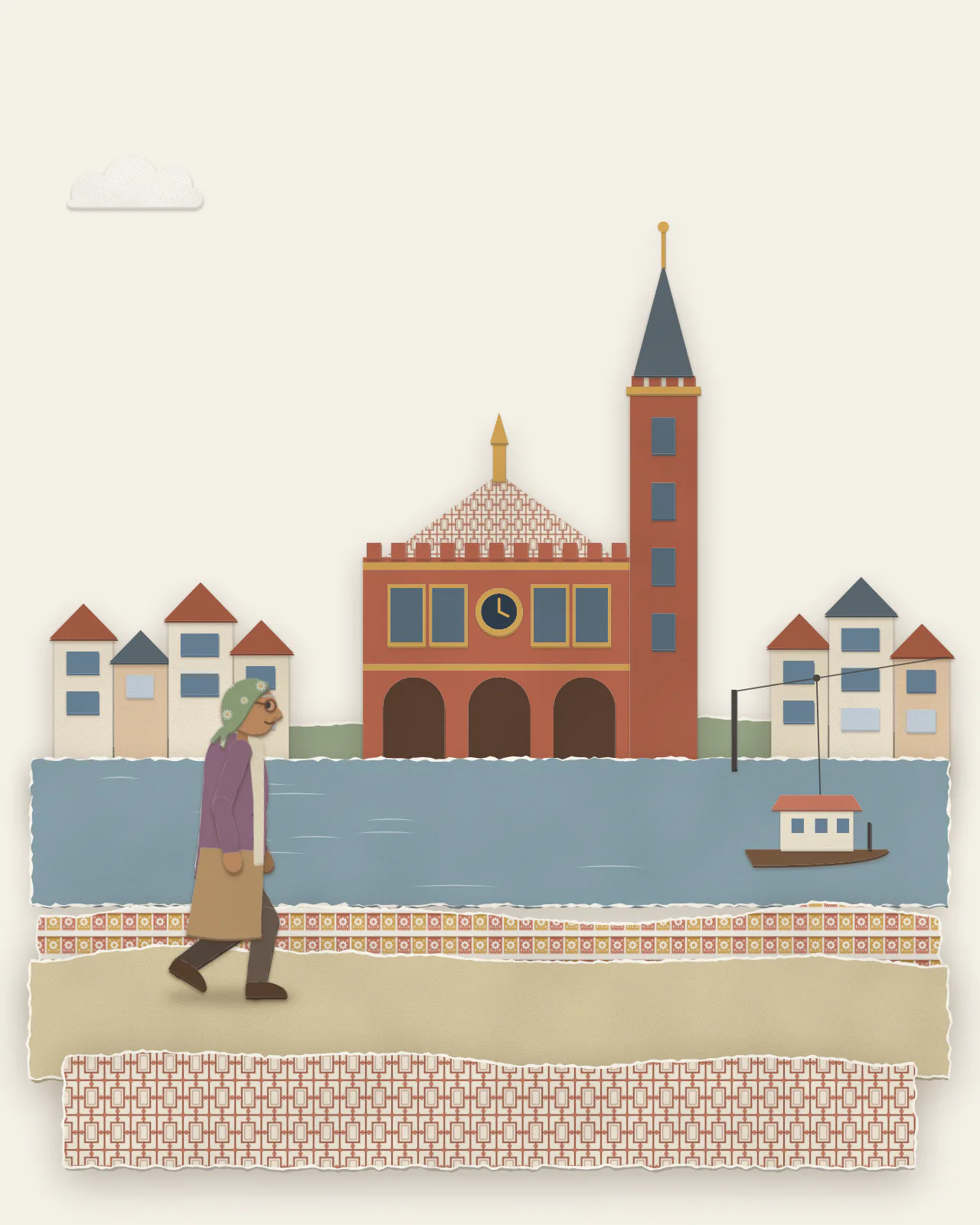
Health insurance in Basel costs an adult a median CHF 734 a month in Basel-Stadt for 2027 (standard model, CHF 300 deductible, accident included), for the same basic benefits as everywhere else. Basel-Stadt and Basel-Landschaft are separate tariffs, which is what catches commuters.
Updated
45 minutes with Robert. Free.
In English · With or
We'll send you a short intake form so we understand your needs before we speak.
Your details
You're booked
Check your email for a calendar invite and a video call link.
In brief
Basel-Stadt is structurally unlike the rest of Switzerland: an 18-square-kilometre city-canton wedged into a tri-national corner where the German Black Forest, Alsatian France, and Northwestern Switzerland meet. The median Standard premium runs ~23% above the Swiss median for 2027 — driven by specialist density (pharma headquarters drove a generation of specialist immigration) and a high-cost cantonal hospital system anchored by Universitätsspital Basel. The cross-border consideration matters here more than anywhere except Geneva.
Which premium region is your address in?
Basel-Stadt is a single premium region — Riehen and Bettingen pay city rates. The real boundary is the canton line: Basel-Landschaft is its own tariff (see the BL medians above), and many "Basel" addresses — Binningen, Allschwil, Reinach — are BL. Checked live against BAG data (June 2026).
| Where you live | Postcode examples | Premium region |
|---|---|---|
| Basel city / Riehen / Bettingen | 4001–4059 / 4125 / 4126 | BS — one region |
| Binningen / Allschwil / Reinach | 4102 / 4123 / 4153 | Basel-Landschaft (cheaper) |
| Liestal and the rest of BL | 4410… | Basel-Landschaft |
Moving across the BS/BL line changes your premium — tell your insurer with the new Anmeldebestätigung, the update is not always automatic.
Top 4 cheapest insurers in Basel-Stadt — Franchise 2500.
For adult age 30, Franchise 2500, accident included. The cheapest changes year to year as insurers re-price; verify on primai.ch before signing.
- 01 Concordia HMO CHF 470.70
- 02 Mutuel (Groupe Mutuel) Telmed CHF 472.70
- 03 Assura Hausarzt CHF 474.30
- 04 SLKK Telmed CHF 479.30
Basel-Stadt IPV — premium subsidy eligibility and application.
Individuelle Prämienverbilligung (IPV) is the cantonal premium subsidy under Art. 65 KVG — set independently by each canton, applied for separately, and almost never volunteered by an insurer or comparison portal.
Most Basel-Stadt residents are evaluated automatically based on cantonal tax data. New arrivals without a Basel tax assessment must apply manually via Amt für Sozialbeiträge.
Basel-Stadt's thresholds are mid-range — single households up to ~CHF 55,000 taxable typically qualify; family thresholds are substantially higher. Pharma-sector salaries often place expat households above the cut-off; moderate-earning international roles (NGO, university, partner-without-work-permit households) frequently qualify.
We check IPV eligibility against your actual income and household shape in every Basel-Stadt review.
Canton Basel-Stadt · 2026
Amt für Sozialbeiträge Basel-Stadt
- Application
- Most Basel-Stadt residents are evaluated automatically based on cantonal tax data. New arrivals without a Basel tax assessment must apply manually via Amt für Sozialbeiträge.
- For newcomers
- Basel-Stadt's thresholds are mid-range — single households up to ~CHF 55,000 taxable typically qualify; family thresholds are substantially higher. Pharma-sector salaries often place expat households above the cut-off; moderate-earning international roles (NGO, university, partner-without-work-permit households) frequently qualify.
- Portal
- www.asb.bs.ch/praemienverbilligung
Health insurance in Basel-Stadt — why the headline price isn't the answer.
Comparison portals show you premium. They don't show you the contract. They don't tell you whether the German specialist in Lörrach you'd consult is covered. They don't run the BS-vs-BL tariff comparison if you live in one canton and work in the other. They don't read which Basel private clinics are on which insurer's network. For Swiss-born locals those gaps usually don't matter. For arriving expats — Roche, Novartis, Lonza, university — they decide whether the policy you sign protects you or fights you when a claim arrives.
For Swiss-born locals those gaps usually don't matter. For arriving expats, they decide whether the policy you sign protects you or fights you when a claim arrives.
Every Basel-Stadt review runs the same four work areas — applied to your specific address, household shape, and existing coverage.
Read the contract
Both basic and supplementary, line by line — exclusions, network restrictions, claim handling clauses.
Run the lever math
Franchise tier, model choice, supplementary timing, pension overlap — calculated against your household.
Map gaps and overlaps
Which Basel-Stadt hospital × insurer × supplementary tier combination actually covers the care you'd use.
Stay / switch / restructure
Most reviews end with us recommending stay or restructure — not switch. We say "no" when no is right.
Health insurance Basel-Stadt for expats — three typical scenarios.
Aggregated patterns from Basel-Stadt household reviews. Names anonymised; figures illustrative. The three most-common shapes we see in canton-specific consultations.
The Roche family with employer IPMI — should keep both
Recommendation · stay
Read the case
A Roche family of four in Bruderholz, both adults age 41 and 43, employer provides international medical insurance covering family worldwide. Currently dual-covered: Swiss KVG basic + Sanitas supplementary outpatient + employer IPMI. Comparis suggested dropping supplementary to save CHF 350/month. Our review: do not drop. The employer IPMI covers worldwide outpatient and hospital but typically with deductibles and a coordination clause requiring KVG to pay first for Swiss residents. Dropping the Sanitas supplementary would expose the household to Swiss outpatient deductibles the IPMI doesn't reimburse cleanly. Recommendation: keep the architecture; revisit at next employer-package cycle. The dual-cover question is the most-misunderstood pharma-family decision in canton Basel.
The newcomer in Kleinbasel who's choosing wrong
Recommendation · switch
Read the case
A Spanish researcher at the university, age 33, single, just arrived from Barcelona, employed at the Biozentrum, choosing between three Comparis-suggested insurers. None of his three picks have an English-speaking GP within 1 km of his Kleinbasel apartment on their Hausarzt list. Our recommendation: a different insurer with two English-speaking GPs on its Basel Hausarzt network in his exact postcode, switching him from Standardmodell to Hausarzt for an ~18% premium reduction with no care-quality change. Different insurer, better fit. The Comparis ranking missed the bit that mattered.
The cross-border family who needs to verify, not switch
Recommendation · verify & stay
Read the case
A couple registered in Basel-Stadt with a long-standing oncology relationship at Universitätsklinikum Freiburg im Breisgau (Germany). Currently on Helsana semi-private with worldwide cover. Routine outpatient follow-ups in Freiburg billed annually; quarterly scans paid out-of-pocket and reimbursed via worldwide-cover clause. Comparis suggested switching to a cheaper insurer for ~CHF 60/month per adult basic-insurance saving. Our review: stay. The worldwide-cover clause covers the German oncology relationship; the cheaper insurer alternatives don't have the same clause structure. Switching the supplementary at age 7+ years would also trigger fresh Article 4 VVG underwriting. The cross-border case rewards verification, not switching.
Hospitals in Basel-Stadt — insurer network coverage.
Under KVG basic insurance, general-ward stays are covered at any cantonal-listed hospital. Free choice within Basel-Stadt. Out-of-canton requires medical justification or supplementary cover.
Private rooms, free choice of physician, and chief-physician access all require semi-private or private supplementary insurance. Network membership varies by insurer × supplementary product — verify the specific hospital you'd go to is on your insurer's network for your tier before booking elective treatment.
We do this verification in every Basel-Stadt review.
- Universitätsspital Basel (USB) Cantonal university hospital
Tertiary referral centre for northwestern Switzerland. KVG general ward covered for residents.
- Universitäts-Kinderspital beider Basel (UKBB) Pediatric university hospital
Joint facility serving Basel-Stadt and Basel-Landschaft. Pediatric tertiary care.
- St. Claraspital Public hospital
City-centre general hospital. KVG covered for cantonal-listed services.
- Bethesda-Spital, Merian Iselin Private clinics
Listed for selected services; full access requires semi-private/private supplementary.
- Felix Platter-Spital Geriatric and rehabilitation
USB-affiliated long-term care.
From our 2026 hospital cost index
Hospital supplementary in Basel-Stadt — observed premiums.
semi-private, average at 38 — index 96 against the six-canton 100
private, average at 38 — index 102
cheapest observed semi-private at 38 (CHF 72) — a list price, not a recommendation
Six-canton average across both sexes, quoted live from the insurers' own calculators on 10 August 2026 — list prices before health underwriting. Full tables, availability map, and the tier-by-tier abroad comparison: Swiss Hospital Insurance Cost Index 2026.
English-speaking GPs
English-speaking GPs in Basel-Stadt — where to find one
High — pharma sector (Roche, Novartis, Lonza) and university brought a generation of internationally-recruited physicians. Practices in Kleinbasel, Gundeldingen, and the city centre carry English-speaking GPs. The university hospital outpatient services operate in English on request. International school networks (ISB, FIS) circulate referrals. — What we tell Basel-Stadt clients before model commitment
The choice between Standardmodell (free choice of GP) and an alternative model — Hausarzt, HMO, Telmed — interacts with English-GP availability. Switching to Hausarzt is meaningful only if your chosen GP works in English at the depth you need.
Cross-border worker health insurance — Basel options for German and French commuters.
Basel sits at a tri-national border. Many specialists have practices in Lörrach (Germany) or St-Louis (France); some Basel residents prefer them for specific procedures. Three structural points: (1) KVG basic covers emergency care abroad up to twice the equivalent Swiss cost — but planned consultations across the border are not covered under basic; (2) some Swiss supplementary products (semi-private with worldwide cover, private worldwide) cover planned care in Germany or France contractually — verify the specific product clause; (3) frontaliers who live in Germany or France and work in Basel have a once-only KVG-vs-foreign-CMU choice at start of work. The Basel cross-border is more complex than Geneva because three jurisdictions meet.
The cross-border physician trap.
The law
Article 25 KVG defines the federally-fixed catalogue of benefits every basic insurer must cover. Article 36 KVV sets the limit for emergency care abroad: covered up to twice the cost of equivalent treatment in your canton in Switzerland. Planned care across the border is not covered under basic insurance — only via specific supplementary clauses where the foreign clinic has a contractual arrangement with the insurer.
The misunderstanding
Basel's proximity to German specialists (Lörrach, Freiburg) and French specialists (St-Louis, Mulhouse) creates an assumption that any Basel resident can casually consult a German doctor at no extra cost. The brochure language of some semi-private products mentions 'free choice of physician' which households read as 'including across the border.' The contractual reality is narrower.
The cost over time
An uninsured planned consultation in Germany at, say, EUR 250 per visit four times a year for a chronic condition: roughly CHF 950/year of out-of-pocket spend the household assumed was covered. Over five years, ~CHF 4,750. For more complex care — cardiology, oncology — the figures are substantially higher.
What we do about it
Every Basel review with a known cross-border specialist relationship requests written pre-authorisation from the insurer — quoting the German/French clinic name, the procedure code, and the supplementary product. If the insurer confirms in writing, you're covered. If they decline or hedge, the household budgets the out-of-pocket exposure or restructures to a supplementary product with the right clause.
Insurers in Basel-Stadt — our recommendations.
On the FOPH's 2027 premium data, we typically open Basel reviews looking at CSS (second-largest Swiss health insurer with broad Basel GP network) and Assura (Vaud-based, aggressive Basel pricing). Helsana and Sanitas typically suit households where supplementary breadth — particularly cross-border worldwide-cover and semi-private hospital — matters more than headline price. SWICA for households who'll genuinely use the BENEFIT health-promotion bonuses, common in pharma-sector wellness-focused families. Vivao Sympany (Basel-based cooperative) for households who prefer a regional insurer with deep Basel agency presence. Detailed insurer comparisons →
Some of the people we've advised
Households reading this same canton, since 2017.

★★★★★
“She assisted and guided me through the entire process of obtaining my Swiss pension refund.”
Ryan K. · Google
★★★★★
“What I appreciated the most is that she was trying to help me solve my problem, not simply sell me an insurance policy.”
Thomas P. · Google

★★★★★
“After several bad experiences with other brokers, working with Mr. Robert Kolar was a completely different experience.”
Dragos H. · Google
★★★★★
“Robert is the best person to partner with if you need to do difficult things such as relocate.”
E. Burke-Murphy · Google

★★★★★
“My session with Robert was one of the most efficient consultation sessions I'd ever had.”
Milad F. · Google

★★★★★
“I was looking to change a supplementary insurance plan, and Robert guided me with professionalism and patience.”
Diana M. · Google

★★★★★
“After returning to Switzerland from abroad, Robert was a tremendous help consulting me about all the changes.”
Steven · Google

★★★★★
“Highly recommend consulting Expat Savvy before making any online insurance comparisons.”
Zendaya B. · Google
★★★★★
“Working with Ben was great. Very prompt and responsive. Would highly recommend to anyone.”
Michele · Google

★★★★★
“Beide arbeiten Hand in Hand und haben die individuellen Anforderungen unserer Kunden immer im Blick.”
Katharina K. · Google
★★★★★
“She assisted and guided me through the entire process of obtaining my Swiss pension refund.”
Ryan K. · Google

★★★★★
“What I appreciated the most is that she was trying to help me solve my problem, not simply sell me an insurance policy.”
Thomas P. · Google

★★★★★
“After several bad experiences with other brokers, working with Mr. Robert Kolar was a completely different experience.”
Dragos H. · Google
★★★★★
“Robert is the best person to partner with if you need to do difficult things such as relocate.”
E. Burke-Murphy · Google

★★★★★
“My session with Robert was one of the most efficient consultation sessions I'd ever had.”
Milad F. · Google

★★★★★
“I was looking to change a supplementary insurance plan, and Robert guided me with professionalism and patience.”
Diana M. · Google
★★★★★
“She assisted and guided me through the entire process of obtaining my Swiss pension refund.”
Ryan K. · Google
★★★★★
“What I appreciated the most is that she was trying to help me solve my problem, not simply sell me an insurance policy.”
Thomas P. · Google
★★★★★
“After several bad experiences with other brokers, working with Mr. Robert Kolar was a completely different experience.”
Dragos H. · Google
★★★★★
“Robert is the best person to partner with if you need to do difficult things such as relocate.”
E. Burke-Murphy · Google
★★★★★
“My session with Robert was one of the most efficient consultation sessions I'd ever had.”
Milad F. · Google
★★★★★
“I was looking to change a supplementary insurance plan, and Robert guided me with professionalism and patience.”
Diana M. · Google
Illustrated portraits — households we've advised on health, pension, and the architecture between them.
An insurance advisor in Basel, in English.
Two advisors do the reading. Both are independent under Art. 45 VAG and FINMA-registered: Robert Kolar through Lang + Partner Finanzdienstleistungen GmbH (F01067278), Nicole Bohne through Vision Bohne (F01536404). Expat Savvy works primarily in English, from its office at Talacker 41, 8001 Zürich. In Basel the review is by video, in English. Our advisory is at Talacker 41, 8001 Zürich.
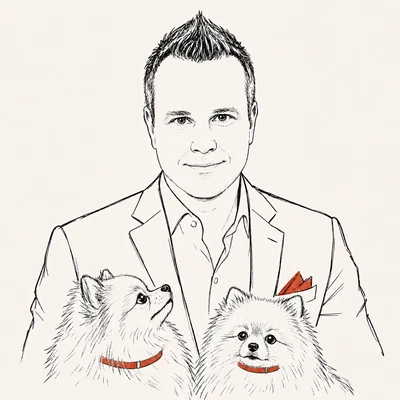
Robert Kolar
Insurance advisor — health
20+ years in Swiss insurance. Reads the basic and supplementary contract for every review. German, English, Czech.
Book your first Swiss insurance review with Robert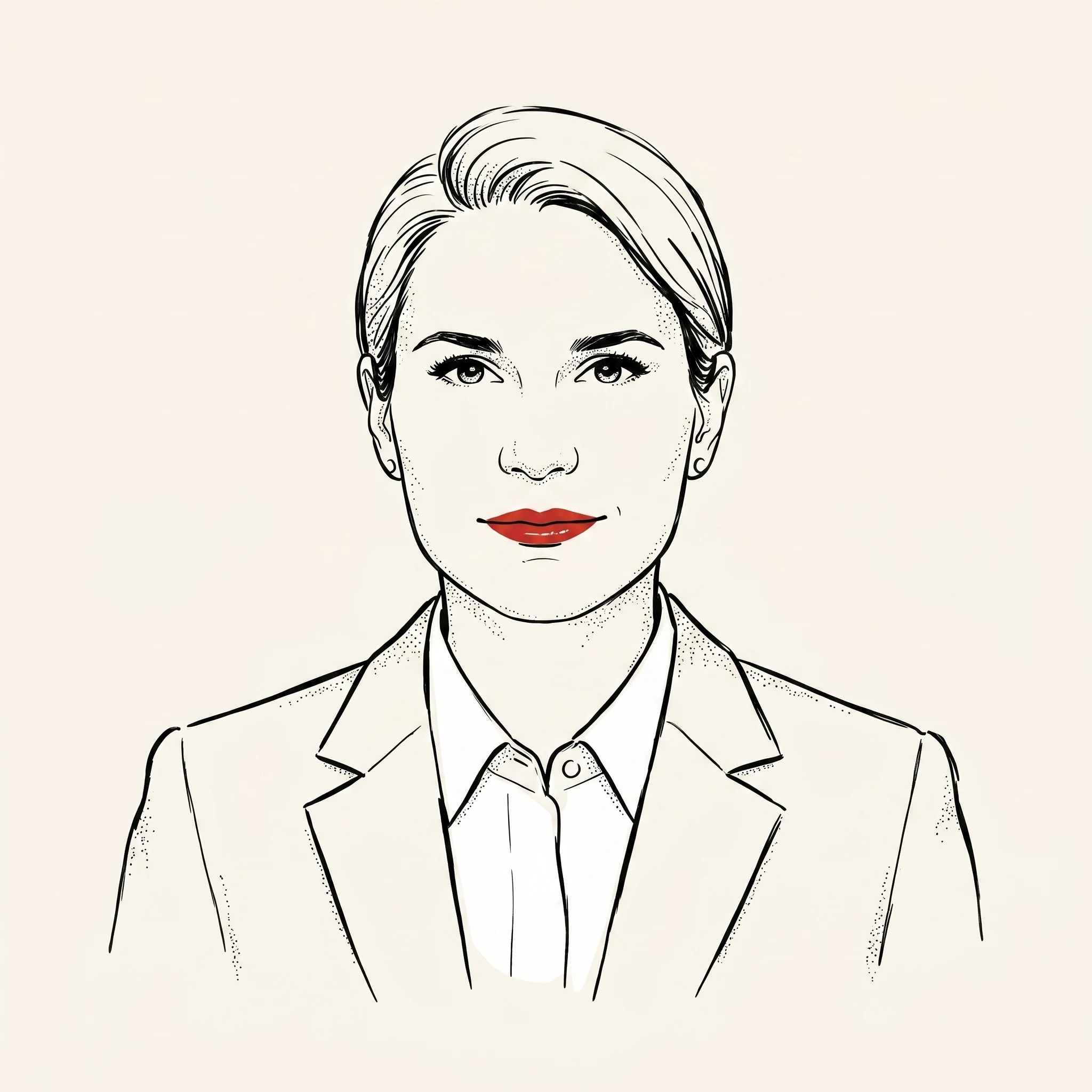
Nicole Bohne
Life insurance advisor
Life insurance, insurance-wrapped 3a, tax optimization, and household-risk questions that appear next to a health-insurance setup.
Book your first Swiss insurance review with NicoleHow we're paid: standard commissions from the insurers — never by you. Independence is regulated (Art. 45 VAG): if staying with your current setup is the right answer, that's what we'll tell you.
Frequently asked — Basel-Stadt health insurance
What's the cheapest health insurance in Basel for 2027?
How much does basic health insurance cost in Basel-Stadt for 2027?
Are Basel-Stadt and Basel-Landschaft on the same premium tariff?
Can I see a German specialist with Swiss insurance from Basel?
Where do English-speaking expats find a GP in Basel?
Which hospitals are covered for Basel-Stadt residents?
Do I qualify for IPV in Basel-Stadt?
I'm moving from Zürich to Basel — what changes for my insurance?
How do I find an English-speaking insurance advisor in Basel?
What's the difference between an insurance advisor and a comparison portal in Basel?
How much does an insurance consultation cost?
How long does setting up Swiss health insurance in Basel take?
Can foreigners get Swiss health insurance in Basel?
I work in Basel but live in Germany — do I need Swiss KVG?
Is there an English-speaking insurance broker in Basel?
How does an independent insurance advisor get paid in Switzerland?
Insurance broker vs comparison portal — what's the difference?
What is the best health insurance in Basel?
Who offers health insurance in Basel?
Which insurance company in Basel is reliable?
Basel-Stadt, read properly.
We've been running Basel insurance reviews since 2017. The four levers, the BS-vs-BL canton split, the cross-border physician trap, the supplementary timing, and verifying which insurer's product cleanly covers the hospitals you'd actually use (USB, UKBB, St. Claraspital, the private clinics) — applied to your specific Basel address. Beyond health, we cover 3rd pillar, liability, household, and life insurance for Swiss-based households. Free, in English, with Robert or Nicole. We recommend stay over switch in most Basel cases; we say 'no' when no is right; we read the contract you're about to sign.
Book your first Swiss insurance review